A Great Weekend Outdoors Awaits Us

The freezing weather is over, the sun is shining and the outdoors await.
There are two great events this weekend.
The biggest one is the Great Backyard Bird Count, which is a major mid-winter bird survey that occurs Feb. 13-16 and has become a global event.
Survey birds in your backyard or anywhere else and enter the data in ebird.
If you do not have an account, set up one. It’s free.
The site allows you to post photos, too.
Meanwhile, during the same weekend, Florida state parks are offering free admission in honor of George Washington’s birthday.
Find your park and plan your visit at FloridaStateParks.org. To learn more about Florida’s role in America’s 250th anniversary, visit America250FL.com.

Creek Ranch Opens To Public

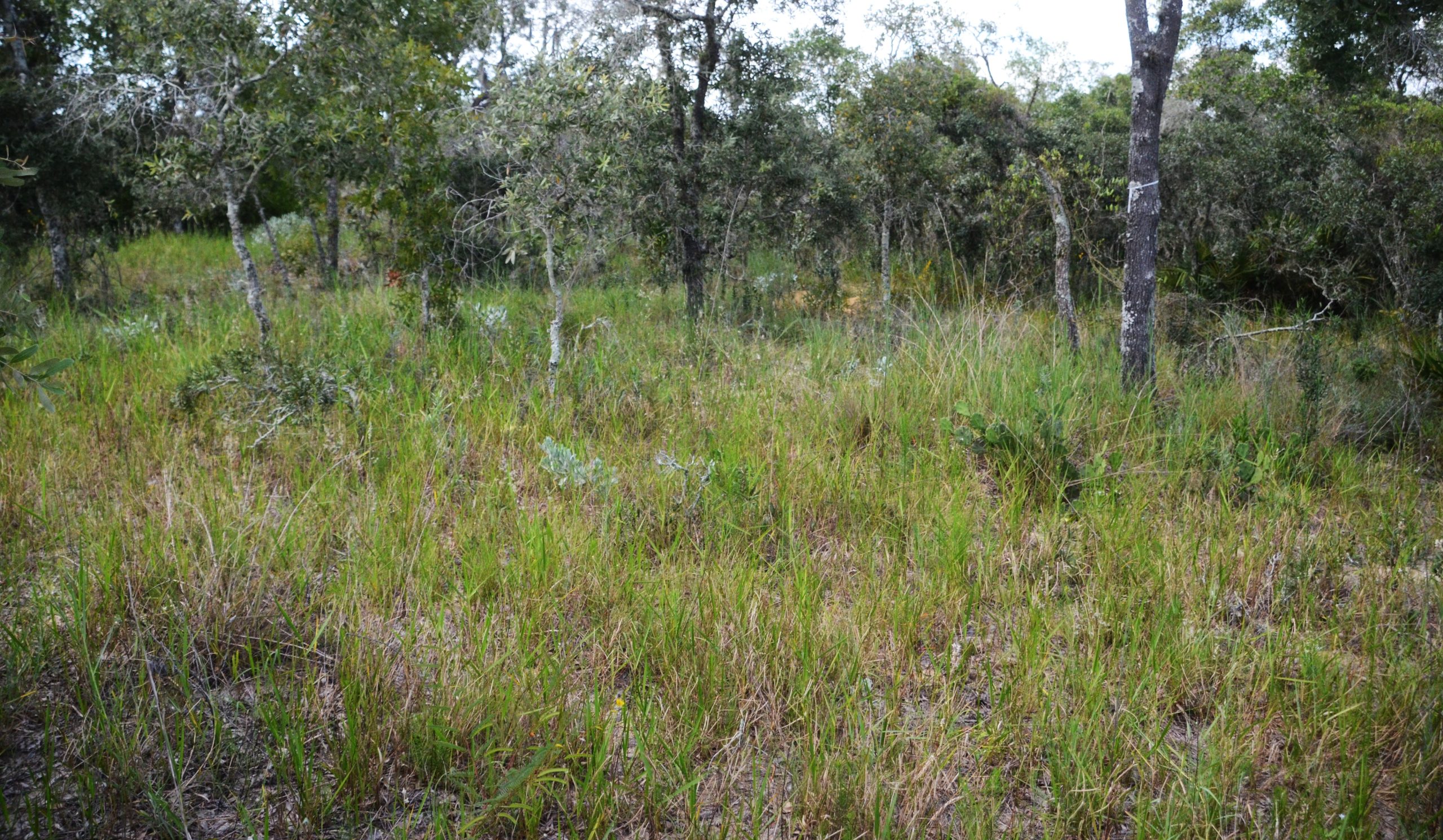
Florida Scrub Lizards are part of site’s diverse flora and fauna

Creek Ranch, which was once proposed for development and purchased by the state in 2024, is now open to the public.
The 1,342-acre site on Hatchineha Road is called Creek Ranch Public Small Game Hunting Area.
The opening follows a public meeting on the property’s management plan, which was held last March.
Except for a couple of weekends in January and February when family hunts are scheduled, the site is open daily for day-use.
Visitors can access the property on foot, by bicycle or on horseback.
The property contains a mosaic of habitats including scrubby flatwoods, oak hammocks , wetlands and improved pasture.
The site lies within a statewide wildlife corridor and its preservation as a public conservation area complements early state, federal and private acquisitions in the area,
Nearby conservation areas include the Hatchineha Unit of the Everglades Headwaters Wildlife Management Area, Allen David Broussard Catfish Creek State Park, Lake Marion Creek Wildlife Management Area and Hatchineha Ranch.

The East Polk Highway Follies Continue, But Some Good News

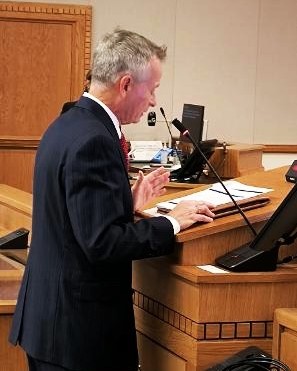
John Bohde discusses plans to four-lane Power Line Road at recent work session

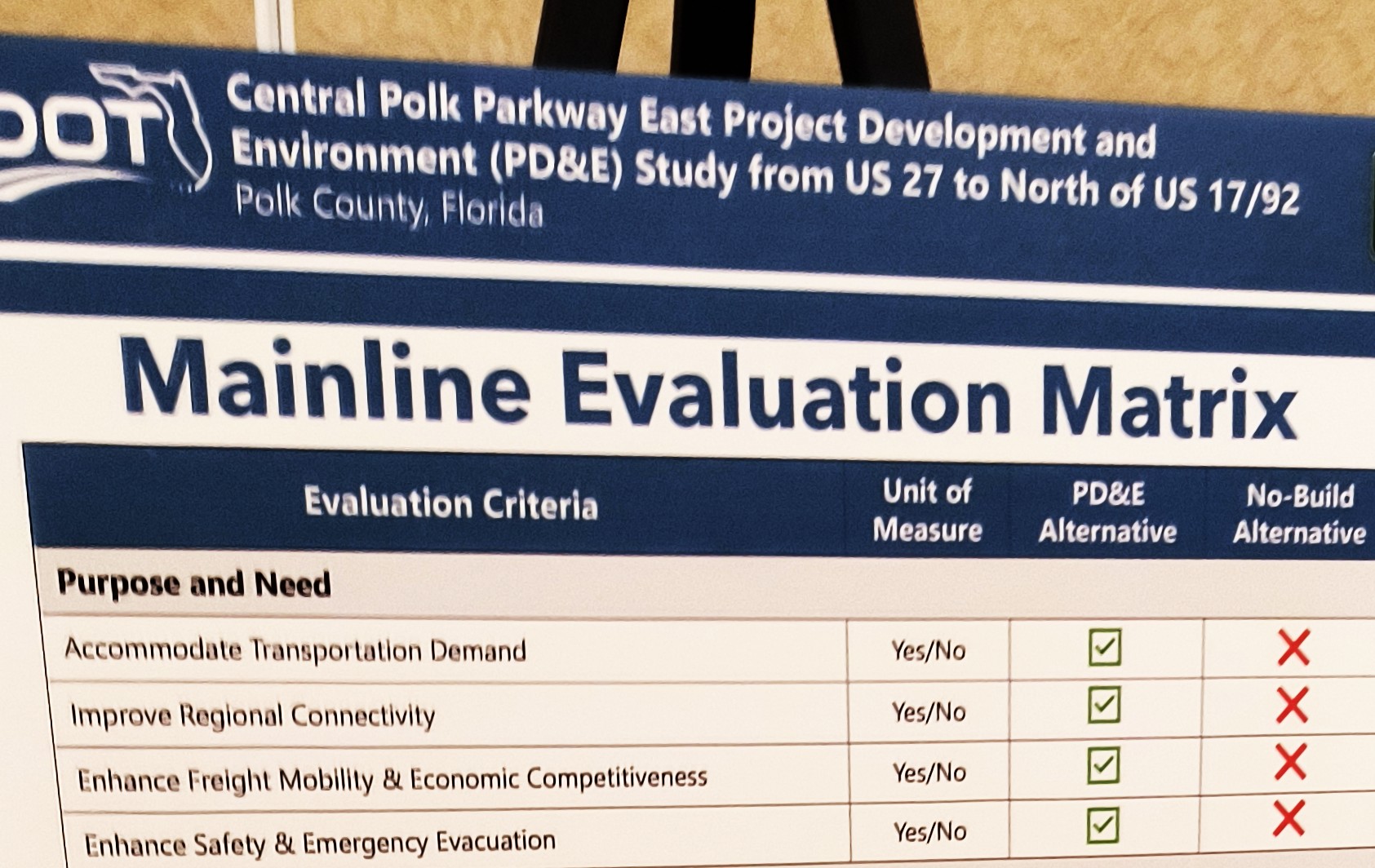
You have to give the folks behind the eastern leg of the Central Polk Parkway, which is proposed to follow a route along the boundary of conservation lands in the Marion Creek basin and some long-standing rural homesteads, some credit for optimism.
The general route seems to be approved, but there is no money available yet for design, right of way purchases and construction, so whether the bulldozers will begin moving to clear the 286-foot-wide path for the road–a width roughly equal to the length of a football field.–in many our lifetimes is unknown.
Nevertheless, the road folks have posed a questionnaire on their website asking the public to suggest a name for the proposed road.
Boondoggle Boulevard seems apt, but unlikely to be considered, but there’s no harm in chiming in.
Meanwhile, there is some good news of sorts on the urban sprawlway front out there.
Polk officials agreed at a recent work session to at least for now scrap plans to extend Power Line Road southward towards Dundee.
Instead they want to use the grant money they received from the Florida Legislature for that project and repurpose it to four-lane the existing route of Power Line Road instead.
They have tentative OK from local legislators for the shift. commissioners were told during a presentation conducted by Deputy County Manager John Bohde.

Se7en Wetlands Education Center Construction To Begin

The long-sought environmental education center at Se7en Wetlands Park is a go.
The Lakeland City Commission has approved a $1.2 million contract with Rodda Construction to build the center near the 1,600-acre park’s northern entrance.
The work will be funded with a $977,165 grant from the Florida Department of Environmental Protection and $259.927 in city funds.
The park, which opened in 2018, contains a trail system that is popular for wildlife viewing. It contains a number of treatment wetlands designed to remove nutrients from the city’s sewer discharges before the water reaches the North Prong of the Alafia River and a pipeline that supplies cooling water to TECO’s Polk Power Station.

Weather, Water Policy And Their Unsurprising Mismatch

For the time being the efforts of the Polk County Regional Water Cooperative are focused on developing a network of Lower Floridan Aquifer wells, treatment plants to remove impurities and a pipeline system, to deliver water to utilities and their customers to feed the growth machine.
But utility officials have admitted the Lower Floridan Aquifer, like the Upper Floridan Aquifer they have been tapping for more than a century, is not an inexhaustible source of water.
And for now the timeline stretches only to about mid-century. Beyond that there is talk of drilling even deeper into the aquifer where water quality is even worse and treatment more expensive.
But in the meantime they are also talking about tapping surface water. That means scraping whatever water is available from the Peace River and maybe the Alafia River when there’s extra water to be had after maintaining enough flow for fish movement and a healthy ecosystem.
But, as Shakespeare told us long ago, there’s the rub.
Current conditions provide a good example.
2025 was the third driest year in Winter Haven since figures began to be collected in 1941. This is significant because the Winter Haven lakes form part of the headwaters of the Peace River.
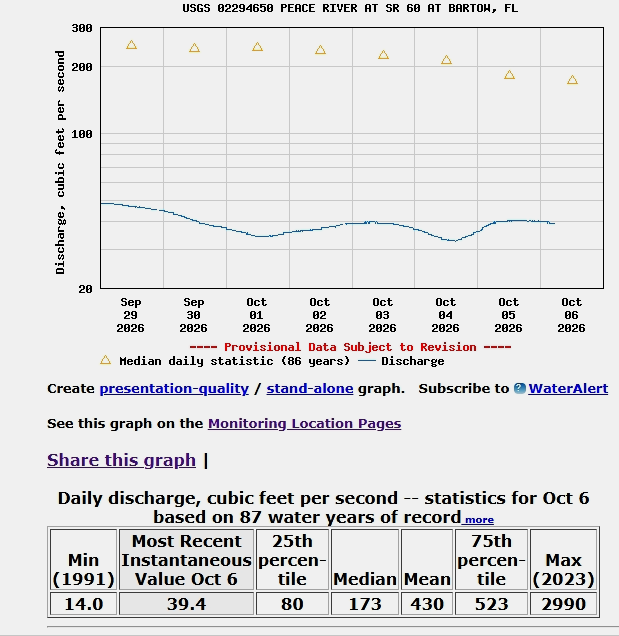
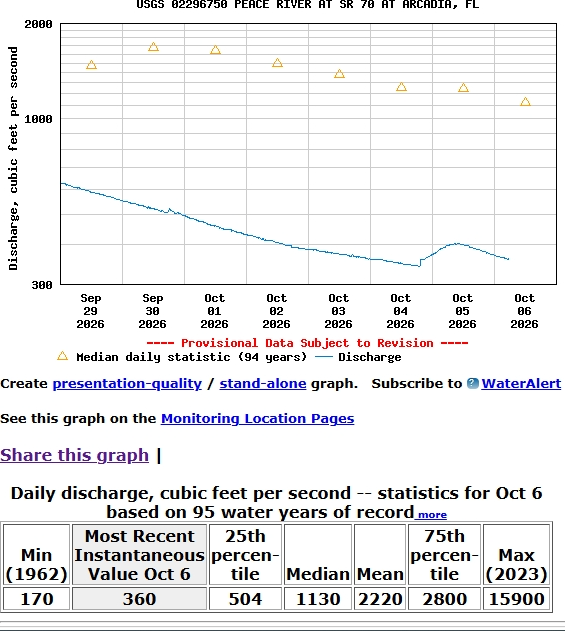
Current flow in the Upper Peace River is about a quarter of the long-term average.
Downstream in Zolfo Springs and Arcadia flow is about15 percent of average and this is just the beginning of the dry season.
One of the needs any utility has is a dependable supply of whatever it needs to operate, be it fuel, water or anything else.
No one knows what our climate future will be.
Will droughts become more regular of will rain-soaked hurricanes be the new normal?
That’s the dilemma since both scenarios have their obvious downsides.
Guess we’ll have to stay tuned, keeping in the back of our minds that somewhere out there lies a limit. on growth that we will not be able to overcome, no matter how many billions of dollars they throw at it.

Some Thoughts On December’s Bear Hunt

Now that the latest state-sanctioned bear hunt is over, some observations are in order.

–It was a bear hunt not a bear “harvest.” These are living creatures not oranges,
–The fact that only 52 bears were killed is not surprising. Unlike the earlier hunt, which was a free-for-all, this hunt involved a limited number of permits, some of which were snatched up in a guerilla campaign by Sierra and other groups.
–It seems likely that even among the people who actively tried to kill a bear they may have been unsuccessful because bears are not that numerous and may be hard to find unless you have some staked out as occurred in the earlier hunt.
–The rationale for the hunt was always questionable because the hunt areas were mostly areas with little growth pressure
–FWC was secretive about how the hunt was going, which aligns with the general way information is withheld from the public under the DeSantis administration.
–The FWC reportedly will present a report on the hunt results sometime later this year. It is unclear whether that delay is needed to make sure they have good data or to figure out how to spin it to enable the next hunt.

2025: What A Challenging Year For The Environment

There was no shortage of local environmental news in 2025 and as usual it was a mix of good, bad and ugly.
The longest running story was the controversy over plans for a toll road through portions of rural northeast Polk County that would destroy the tranquility in these areas, make management of conservation lands more difficult and spend tons of public money on a project that no one but the development and road-building lobbies asked for.
At year’s end the Florida Turnpike Enterprise had selected an alignment for the eastern leg of the Central Polk Parkway and the Osceola Expressway Authority had done the same for another toll road through ranch lands south of Lake Tohokepaliga to link to the Florida Turnpike.
Sierra opposed these projects because of their environmental impacts on wildlife movement and prescribed fire, their encouragement of urban sprawl and their furthering the fallacy that you can build your way out of congestion.
There are several steps ahead including design, right of way acquisition and construction that will total hundreds of millions of dollars or more, a lot of which is currently unavailable.
The only good news on the transportation front was that work is underway on a wildlife overpass across Interstate 4 that will restore a missing link to the Green Swamp from the Upper Peace River watershed.
Development issues also caused public outrage.
One long-running battle involves a plan for a massive residential development along the Peace Creek Drainage Canal on the east side of Bartow on land with marginal soils that will require a bridge over the canal’s floodplain to reach in order to funnel traffic to State Road 60.
The County Commission had denied the project a few years ago, so backers applied to be annexed into the city, apparently hoping it would have more lenient development standards.
At year’s end, city commissioners had given the project tentative approval, but made it clear it would take another look at the project when it came back for final approval in early 2026.
Farther east, a massive sand mine that straddles State Road 60 was proposed east of Lake Wales next to Saddlebag Lake Park, where residents opposed the idea and persuaded the Polk County Planning Commission to vote 6-1 to deny the project. The developer is appealing the decision to the County Commission.
One sidelight of the hearing is that the County Commission, in an unprecedented move, voted to remove Michael B. Schmidt from the Planning Commission after the lawyer representing the applicant complained about his comments at the hearing and County Attorney Randy Mink cited earlier comments Schmidt made that violated the guidelines for how members of the panel should conduct themselves.
Meanwhile, Polk County planners are working on an update of the county’s growth plan, which will be considered by the County Commission in 2026.
That effort is complicated by state law approved earlier this year that restricted what kinds of regulatory changes local officials can enact and could force commissioners to table the changes until and whether the Florida Legislature undoes the restrictions.
Polk officials had earlier this year scrapped plans to enact tighter regulations for development in flood-prone areas and Winter Haven scrapped plans for a tree-protection ordinance for the same reason.
Polk’s parks and environmental lands programs was in the news.
One big change was the retirement of long-time director Gaye Sharpe, who will be succeeded by Tabitha Biehl.
The Environmental Lands Program continues to consider a number of sites for acquisition or conservation easements all over rural Polk County.
However, there are some snags ahead regarding funding.
While the Legislature has generously funded programs to buy conservation easements on working lands, the matching funds to buy land with higher value for protecting intact natural habitats have faced cuts.
In addition, it is unclear at this point how proposals to reduce or eliminate residential property taxes will affect the amount of local revenue available for environmental land purchases. At year’s end it was unclear which proposals, if any, will advance to the 2026 general election ballot and whether the idea will attract 60 percent approval.
It will also be interesting to see how or whether this will affect plans for a first-ever environmental lands referendum in Highlands County, which is also tentatively scheduled for the 2026 ballot.
Finally, no discussion of environmental issues in this region would be complete without talking about water.
Polk County utility officials are working on two projects to possibly provide more drinking water and to reduce groundwater pollution.
One involves a pilot project to bring treated sewage to drinking water standards to deal with projected water shortages.
The other involves the construction of a long-sought facility to treat septic tank wastes that were historically dumped in pastures, resulting in odor complaints and concerns about groundwater contamination.
That project, which will be completed in 2026, comes after the shutdown of the BS Ranch facility that promised to turn these and other wastes into useful products but never delivered.
Meanwhile, officials at the Polk Regional Water Cooperative continue to work on securing some sort of future water supply from the Upper Peace River and the headwaters of the Alafia River, but it remains unclear how much water will actually be available after the Southwest Florida Water Management District updates its minimum flows and levels calculations for those water bodies.
In any event, water would be available only during times of peak flows, which this year has shown are unpredictable.
Below average summer and fall rainfall has dropped river flow to between low normal to extreme low levels as what may be the beginning of a drought affecting the area. That condition was even more evident when Polk fire officials pushed for an unprecedented fall burn ban that likely will remain in effect until next summer’s rainy season arrives.
Meanwhile don’t plan any camping trips that involve campfires or paddling trips that don’t require portages.
Take day hikes and enjoy the outdoors in Sierra fashion.
Happy New Year!