Data Center Moratorium Idea Spreading, But Not In Unincorporated Polk

Many central Florida counties and cities have enacted or are considering temporary moratoriums on accepting applications for water and energy hungry hyperscale data centers to give their staff time to review local development regulations to recommend where and how these facilities should be sited.
The Polk County Commission is not among them.
Ancient Islands Chair Tom Palmer has broached the subject twice during the public comments portion of commission meetings and in a conservation with one commissioner, but so far has not been given any indication commissioners are even considering a pause.
These projects were initially promoted as property tax windfalls, though Polk commissioners’ only action so far was to approve a 10-year tax break worth an estimated $140 million for the first proposed hyperscale data center to pop up in an industrial park in Fort Meade.
Now local officials in other parts of Florida are rethinking the idea and instead of having dollar signs in their eyes. they are listening to residents concerned about how the demands of these data centers will affect the aquifer and the power grid and how the low-volume thrum they emit will affect residents’ quality of life.
In addition, there’s the question of how the emissions from generators on site or power plants off site will affect air quality and wildlife.
The latest county to weigh in on this issue is DeSoto County, which is dealing with a proposal in a rural area east of Arcadia, WGCU reports. Commissioners there have asked their attorney to draft an ordinance to establish a one-year moratorium.
Officials in Citrus, Hernando, Lake and Pasco counties and the city of Zephyrhills have already enacted one-year moratoriums and Lakeland in Polk County is considering one. according to The Ledger.

Last December the Southwest Florida Water Management District’s Governing Board approved a new policy that requires water use permits for data centers to come before the board, though it is unclear whether board members would actually deny any permit application.
Keep in mind that the actions taken so far are temporary moratoriums, not outright bans, which could expose local officials to litigation.
And it is also unclear how many of these proposals are serious and how many are simply probes to see whether a project stands a chance to be considered and approved.
Proposals in Okeechobee and St. Lucie counties have been withdrawn after public criticism.
What’s At Stake For Polk Environmental Programs In November Election

Now that the Florida Legislature has approved ballot language for a wholesale cut in local property taxes after only a few days of cursory examination of the idea, it is becoming clearer how this will affect some local environmental programs. in Polk County.
What is being proposed is a constitutional amendment to increase the homestead exemption from $50,000 to $150.000 in 2027 and increase it to $250,000 in 2028 and continue that forever or until the measure is repealed.
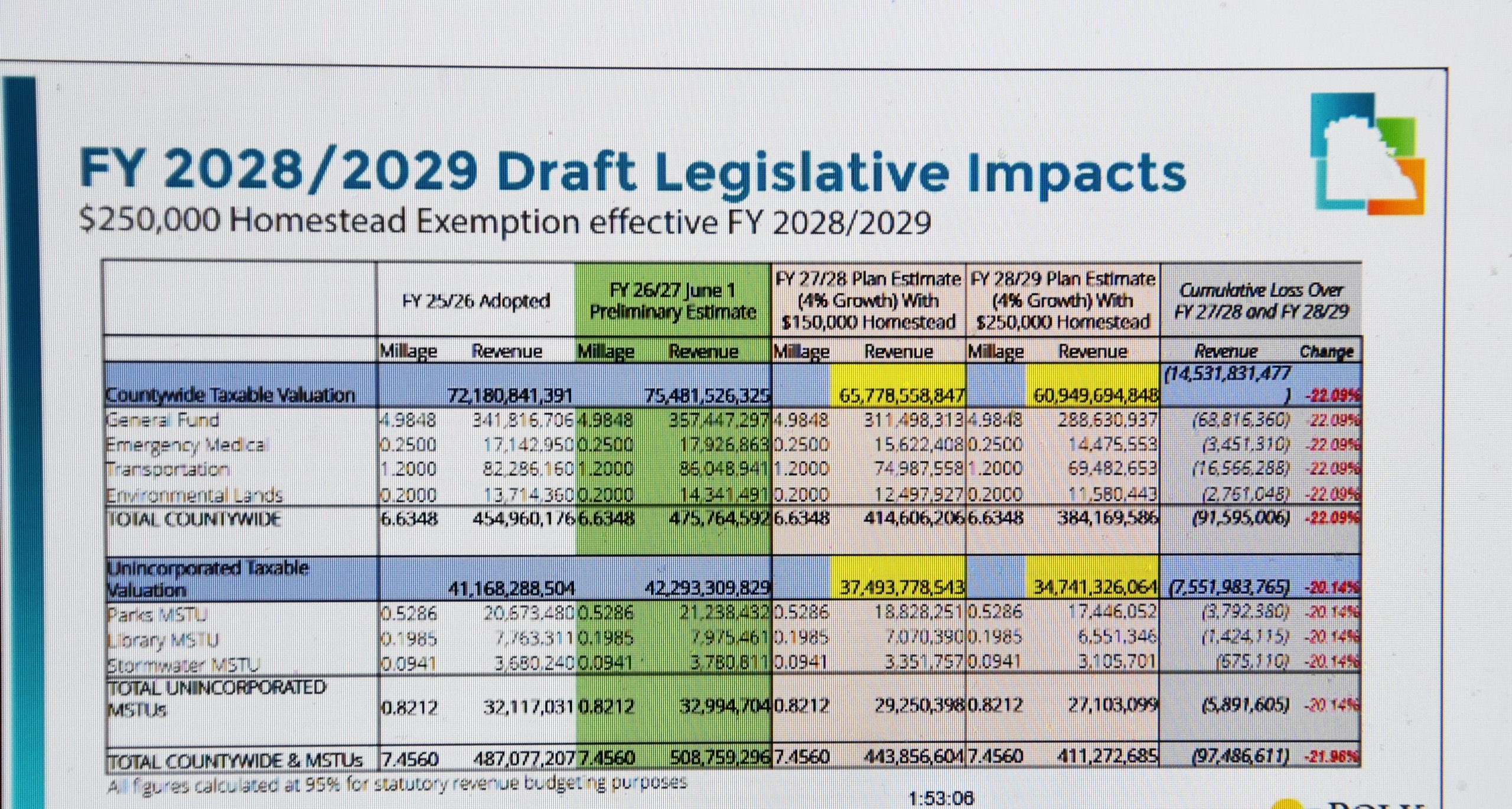
The measure needs a 60 percent vote in favor to become part of the Florida Constitution. If voters approve it, the estimated cuts in local environmental programs will begin to occur in the 2027-28 county budget as depicted in the chart above from this week’s County Commission budget work session.
There are three environmental-related funds involved.
The most obvious is the voter-approved tax levy to purchase and manage environmentally important lands or to purchase conservation easements on working lands to prevent their development and to preserve Polk’s vanishing green spaces.
But also affected will be the property tax that is used to finance stormwater projects to help to improve water quality in local rivers and lakes.
In addition, the passage of the constitutional amendment would reduce money that is used to improve and operate the county park system, which gets people outdoors and provides green space and boating access.
At this point it is unknown what kinds of cuts will occur until after the results of the election are known. I did notice that in a recent podcast County Commissioner Bill Braswell claimed the property tax revenue from three proposed data centers would cover the loss, but did not mention that he and his colleagues gave one of them a 10-year tax break if it is ever built and complies with the conditions. Based on the status of the reviews, it may not be so sure a thing as it seemed when the ta break was approved.
If the constitutional amendment passes, spending cuts will likely consume a good portion of next year’s budget sessions as commissioners head for final budget approval in September of 2027.
Meanwhile, expect to see and hear presentations on why voters should reject this proposal that will include the lack of deliberation before it was approved, the lack of a sunset provision and the intrusion into local budget deliberations by a lot of people in Tallahassee who will leave office before it takes effect.
In the meantime, it is important for voters to become informed on the effects–updated figures will become available after the preliminary tax roll is released in a few weeks–and to talk to your friends, attend forums and stay involved.
If this passes, the environment would take a major hit and now is the time to work to prevent that.


Low-flowing Peace River Ripe For Weekend Cleanup

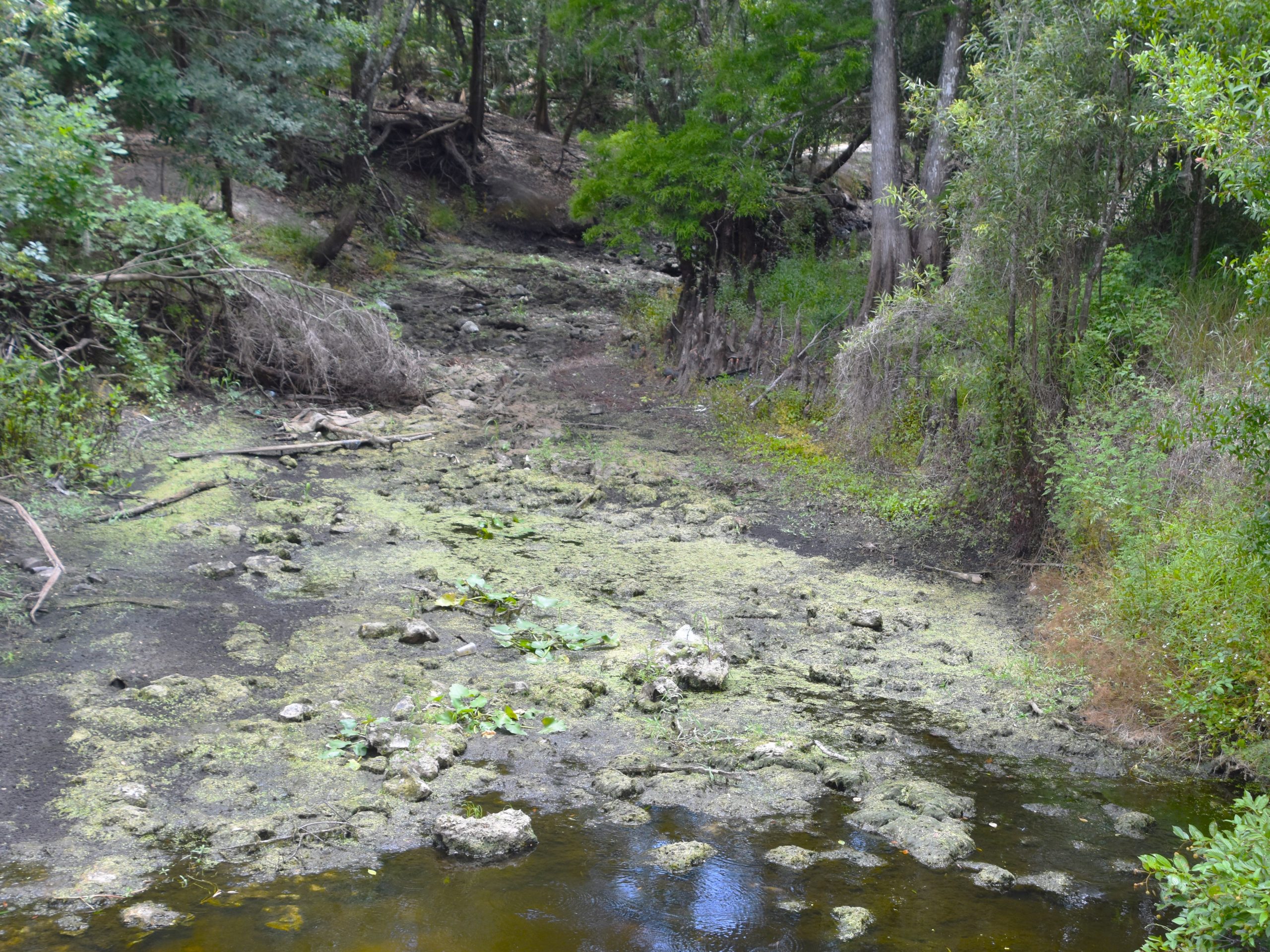
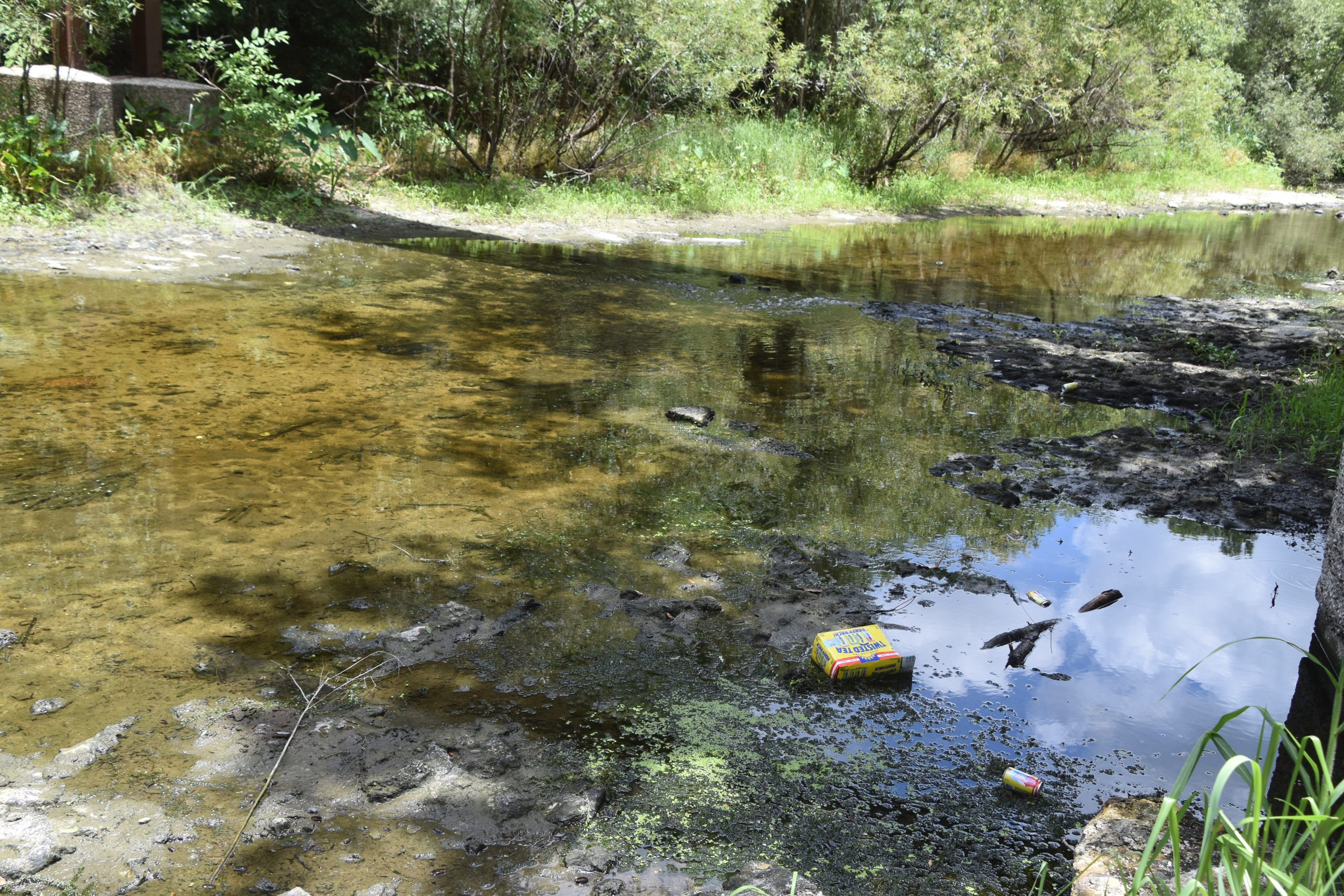
The mild drought that has affected the area this year has made the bottom of the Peace River and its floodplain more visible.
If those conditions hold, Saturday’s planned cleanup at Fort Meade’s Outdoor Recreation Area should get rid of litter and other debris in and along the river.
The event will run from 8 a.m. until noon and is being organized by Fort Meade residents and Keep Polk County Beautiful.
To register and for more information, call 863-875-8911.
Volunteers will have a chance to get a tree, a T-shirt and other goodies while supplies last.
Some people may be able to do some cleaning up from a kayak, but it was clear from a visit over the weekend that navigation is an issue much south of the park’s main boat ramp.
That means entering the river between Fort Meade and Bowling Green where you can, including what appears to be a dry section of Bowlegs Creek after it crosses under Mt. Pisgah Road.
I mention Bowling Green because on Sunday I saw an abandoned raft of some sort sitting on the river bottom just north of the County Line Road bridge.
That could be the catch of the day.

DeSantis Property Tax “Reform” May Sink Highlands Environmental Lands Vote

If Highlands County voters lose their chance to decide whether to vote on a tax measure to protect the county’s threatened natural resources, they can thank Gov. Ron DeSantis.
After two years of study, meetings and polling that indicated support for the idea, the Highlands County Commission voted 3-2 Tuesday not to proceed with a referendum this year.
Leading the opposition was Commissioner Scott Kirouac, who argued that it would be a bad idea of have this measure on the same ballot as a proposal that is being considered this week in the Florida Legislature. That proposal would ask voters if they want to reduce or maybe even abolish property taxes on owner-occupied homes that are already protected from tax hikes to some extent by the homestead exemption and Save Our Homes.
He said it could set up a situation in which voters could approve a tax they will never pay.
“That is not fair,” he said.
According to U.S. Census data, an estimated 78 percent of residences in Highlands County are owner-occupied.
Commissioner Kevin Roberts said Kirouac’s argument is based on the assumption that voter-approved tax levies would be affected by the DeSantis measure.
The precise ballot language and other details are still being debated by legislators, and it is far from certain what kind of proposal–if any–will emerge from the special session.
Depending on how those details sort out, commissioners agreed they could reconsider their environmental lands referendum vote next month.